Discover how Spino redefines natural beauty with 100% natural, science-backed skincare. Learn why Spino’s innovative, water-based formulas are the safe, effective alternative to chemical and trend-driven products.
In recent years, Korean beauty products have taken over the world 🌍 — spreading faster than any skincare trend before. But the real question is: is their secret truly in the ingredients, or in the image that was sold to the world?
The global fame of K-Beauty didn’t happen by chance. It grew out of Korean pop culture, long multi-step routines, and the fascination with the so-called “glass skin” ideal. But amid the hype, reports of contamination, product recalls, and safety warnings began to emerge — reminding us that no trend is perfect. So we must ask: should beauty come at the cost of uncertainty?
Spino offers the real alternative — 100% natural, effective, and safe products that rely on science, not marketing noise.
It’s Not About How Many Steps — It’s About What Works
K-Beauty became famous for its long routine: toner, serum, mask… But beauty isn’t about quantity — it’s about results.
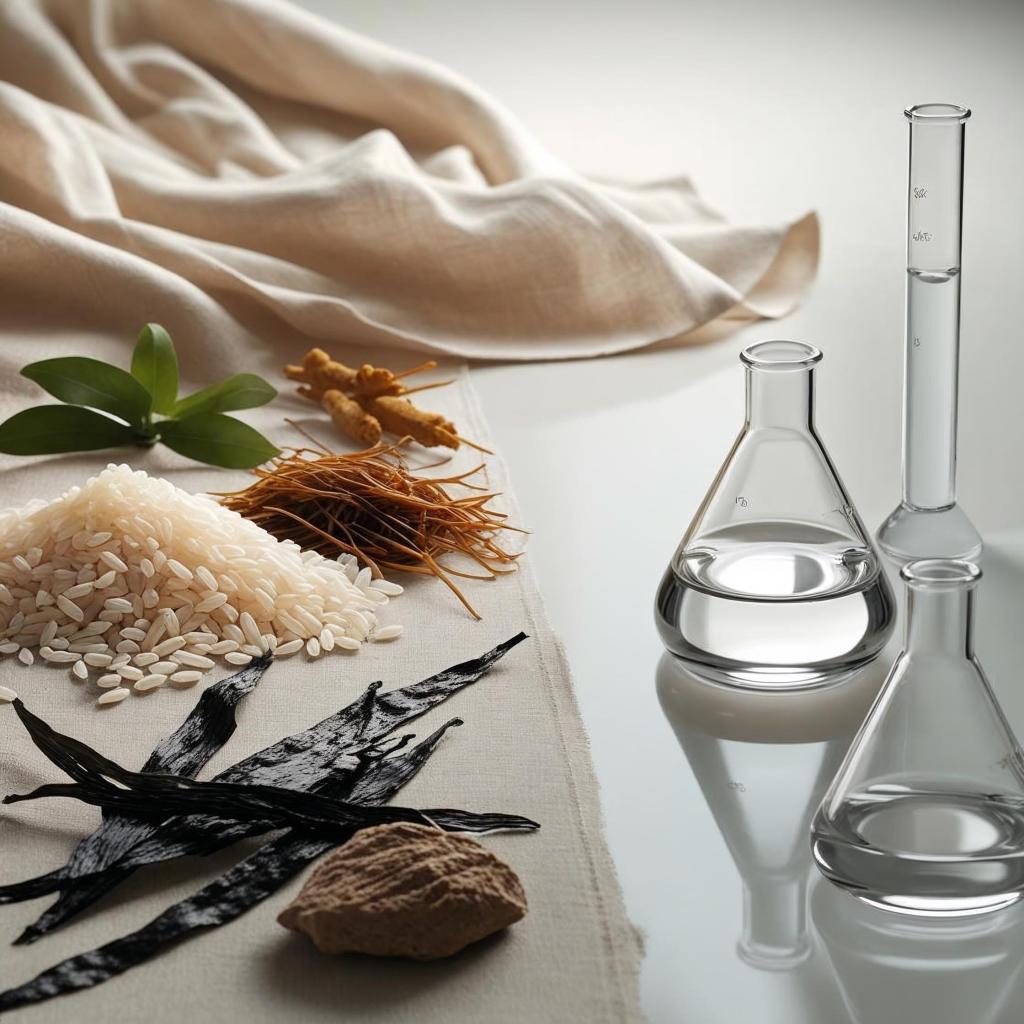
At Spino, we don’t sell “steps,” we deliver outcomes. Our products are designed to nourish your skin and hair deeply, using natural ingredients like rice, frankincense, and seaweed — all carefully selected and scientifically validated to deliver maximum benefits without chemical preservatives or synthetic additives.
When We Say “Natural,” We Mean It
Not every product labeled “natural” truly is. At Spino, we prove it every day.
We use active botanical ingredients extracted through gentle, precise scientific methods that preserve their nutrients and potency. Our formulations deliver these benefits directly to your skin and hair — whether in the form of a light gel, toner, or serum.
All Spino products are water-based, lightweight, quickly absorbed, and suitable for all skin types — even the most sensitive.
Science Is What Protects Natural Beauty
While some products in the global market get recalled due to unsafe ingredients or poor manufacturing, Spino chose the harder but better path. Every product is produced under strict standards, in clean conditions, with no alcohols, no synthetic preservatives, and only safe, natural stabilizers developed through modern research.
Science isn’t the opposite of nature — it’s what keeps nature alive inside every bottle.
You don’t need a 10-step routine or to chase a new trend every month. With Spino, beauty is simple, pure, and effective.
Our products aren’t driven by trends — they’re backed by real studies and advanced formulation technology that preserves the integrity of every ingredient and helps your skin thrive naturally.
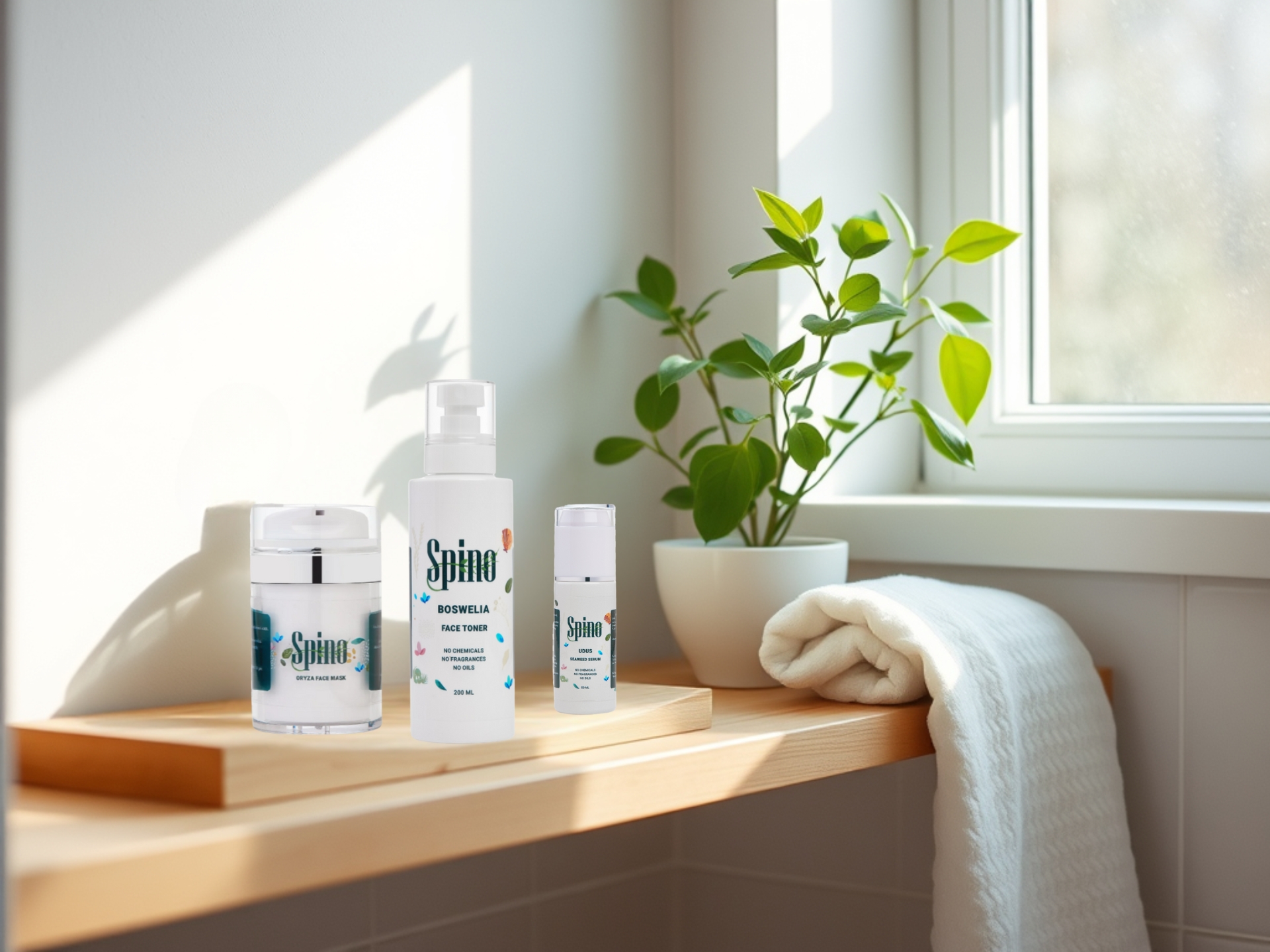
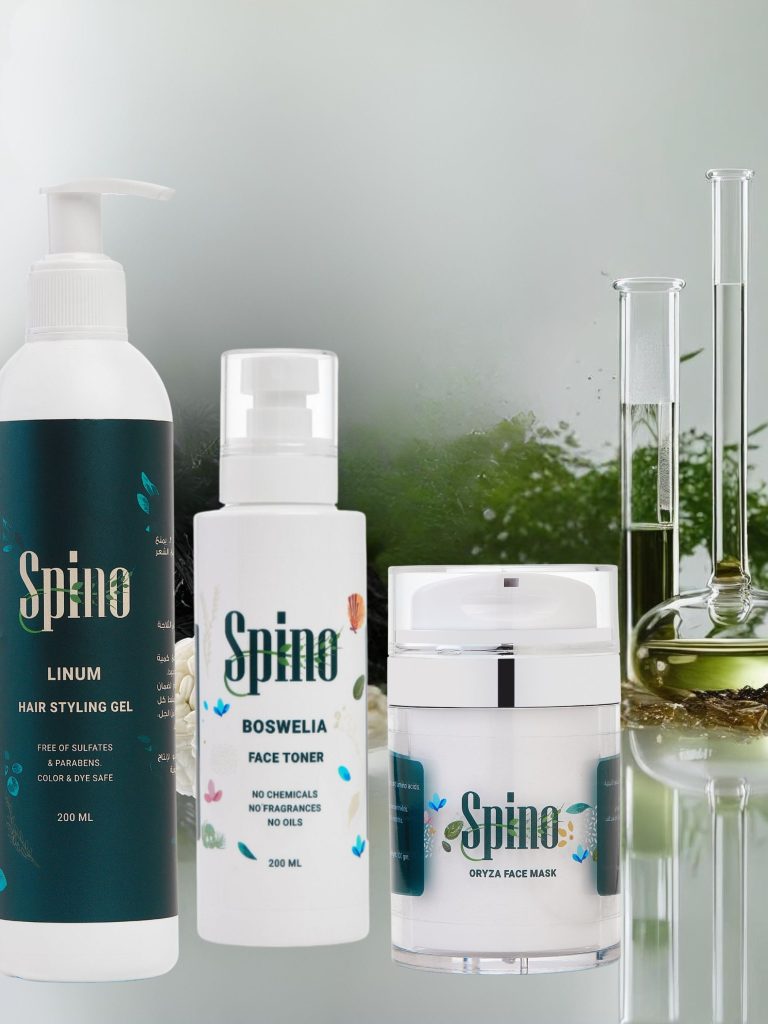
From the rice mask that brightens the skin, to the frankincense toner that balances and hydrates, to the seaweed serum that refreshes and refines — each Spino product isn’t just a skincare step, it’s a conscious choice.
The Real Alternative Isn’t Korean or Western — It’s Spino 🌿
While the world runs after global brands and fleeting trends, Spino offers something different: Natural. Scientific. Safe.
No exaggeration. No chemicals. No empty promises.
Spino doesn’t follow beauty trends — Spino creates innovations that define the future of natural beauty.
Think natural beauty products are weak, unsafe, or just a trend? Discover the truth as Spino debunks 5 common myths, showing how science makes natural skincare and haircare safe, effective, and long-lasting.
The world of beauty is full of promises, labels, and trends. Among them, “natural beauty” often sparks both enthusiasm and skepticism. Some people believe natural products are weak or ineffective. Others assume that if it’s natural, it must automatically be safe. The truth is more nuanced — and more interesting.
At Spino, we believe in honesty and education. Natural beauty isn’t a fad or a marketing gimmick. It’s a thoughtful choice, guided by both nature’s wisdom and scientific precision. That’s why we’re taking a closer look at some of the biggest myths surrounding natural beauty products — and setting the record straight.
Myth 1: Natural Products Aren’t as Effective as Synthetic Ones
One of the most common misconceptions is that natural products simply don’t work as well as their synthetic counterparts.
The truth: Natural ingredients are loaded with powerful bioactive compounds — antioxidants, fatty acids, vitamins, and minerals — that nourish and repair the skin and hair in ways many synthetic chemicals cannot. For example:
Rice contains inositol, which repairs and strengthens hair from within.
Seaweed is rich in minerals and compounds like fucoidan that calm acne and redness.
Frankincense has boswellic acids that reduce inflammation and support anti-aging.
When combined with scientific extraction and formulation methods, natural products can be just as — if not more — effective than synthetic ones.
Myth 2: Natural Means 100% Safe
Another myth is that if it’s natural, it must automatically be safe for everyone.
The truth: Not all natural ingredients are suitable for all skin types. For example, some essential oils can be irritating if used in high concentrations. The safety of a product depends not only on the ingredient itself, but also on its concentration, formulation, and how it’s preserved.
This is where science steps in. At Spino, we ensure our formulations use each ingredient in safe, effective amounts, backed by research. We also avoid harsh preservatives, relying instead on safe alternatives that keep the product fresh without compromising skin health.
Myth 3: Natural Products Spoil Too Quickly
It’s true that raw, untreated natural materials can spoil fast. This leads some to believe natural beauty products are unstable or impractical.
The truth: With proper formulation, natural products can have excellent shelf-life. Science provides safe preservation systems — such as natural acids, plant-based alcohols, and bio-ferments — that protect against microbial growth without introducing harmful chemicals.
At Spino, we use these modern methods to make sure our products remain safe, stable, and effective while staying free from parabens and harsh synthetic preservatives.
Myth 4: Natural Beauty Is Just a Trend
Some skeptics think “natural” is just another buzzword to sell products.
The truth: Natural beauty has deep roots in human history. For centuries, people across cultures used rice, herbs, resins, and plant infusions to care for their skin and hair. What has changed today is our ability to understand these ingredients scientifically and refine them into stable, effective products.
Natural beauty is not a passing fad — it’s a return to roots, upgraded by modern science. And it’s here to stay.
Myth 5: Natural Products Are Only About What’s Not Inside
Another misconception is that natural beauty is simply about what products leave out — no parabens, no silicones, no sulfates.
The truth: Natural beauty is not about absence — it’s about presence. It’s about the powerful nutrients that are in the product: antioxidants, vitamins, minerals, and plant-based compounds that actively improve skin and hair health.
At Spino, we don’t just eliminate the harmful. We extract the beneficial. Every formula is designed to nourish, repair, and enhance your natural beauty.
The Bottom Line
Natural beauty is not weak, unsafe, or unstable. And it’s certainly not just a trend. With the right balance of nature and science, natural beauty products are powerful, safe, and effective.
To use ingredients with proven benefits like rice, seaweed, frankincense, and Sidr.
To apply modern science so these ingredients deliver their maximum potential.
To provide you with clean, honest products that protect your health and reveal your natural glow.
So next time you hear someone say natural products “don’t work” or “don’t last,” you’ll know the truth: nature, refined by science, is the future of beauty.
Because beauty should never come at the cost of your health. #على_طبيعتك
Switching to natural skincare? Understand the detox phase, what results to expect, and how to support your skin for lasting, healthy beauty.
Introduction: A Journey, Not a Quick Fix
When people first decide to switch to natural skincare, they often expect an instant “glow” or overnight transformation. Marketing from conventional brands has conditioned us to believe that a single product can erase years of skin concerns within days. The truth is that natural skincare works differently. Its goal is not to shock the skin into compliance but to restore balance, resilience, and health. That takes time.
Transitioning to a natural routine is not always linear — there may be a detox phase, small flare-ups, or even frustration. But with patience, consistency, and the right mindset, the rewards are long-lasting: calmer skin, fewer sensitivities, and a more stable complexion. Let’s break down what really happens during this transition and how to navigate it successfully.
Understanding the Detox Period
One of the most misunderstood aspects of moving to natural skincare is the “detox” phase. This isn’t a formal medical term but a way to describe the skin’s process of readjusting once harsh chemicals, silicones, or synthetic preservatives are removed.
Purging myths clarified: True purging only happens with certain active ingredients like retinoids or acids that increase cell turnover. With natural skincare, what you’re more likely to experience is a rebalancing process. The skin, now free from occlusive silicones or stripping sulfates, begins to shed impurities and regulate itself.
Possible signs: Temporary breakouts, slight dryness, or a feeling that your skin is “different” from before.
Duration: For most people, this phase lasts anywhere from two to six weeks, depending on how dependent the skin was on synthetic ingredients.
The key is to remember: these changes are not damage — they’re part of the skin finding its natural rhythm again.
Adjusting Expectations: Gentle, Steady Progress
Mainstream products often rely on harsh actives to deliver quick visible results — tight skin after a foamy cleanse, instant shine from silicones, or an artificially strong scent. Natural skincare does not work in this “shock and awe” way. Instead:
Results emerge gradually: Hydration levels improve subtly, redness calms over weeks, and breakouts diminish over time.
The improvements last longer: Because botanicals support the skin’s natural processes rather than forcing reactions, the skin builds resilience that sustains itself even if a product is skipped.
No “dependency cycle”: Many chemical-heavy products cause rebound effects (e.g., drying out the skin so it produces more oil). Natural products reduce this cycle, leading to more predictable behavior from the skin.
In short, you’re not chasing a short-lived cosmetic effect. You’re building skin health that lasts.
How to Support Your Skin During the Transition
The adjustment period doesn’t have to be uncomfortable. With a thoughtful routine and a little patience, the process can be smooth and rewarding.
Simplify Your Routine Overloading your skin with too many new products at once can make it harder to understand what’s working. Begin with the essentials: a gentle natural cleanser, a botanical toner, and a nourishing moisturizer or serum.
Stay Consistent Switching between natural and synthetic products slows the transition. Give your skin time to adapt by committing to natural products exclusively for at least a month.
Hydrate Generously Water-based botanicals with humectants (like glycerin or panthenol) help the skin adjust and maintain its barrier. Avoid alcohol-heavy toners or cleansers that undo progress.
Avoid Over-Exfoliation When switching, it may be tempting to scrub away every imperfection. But too much exfoliation — physical or chemical — disrupts healing. Instead, allow natural enzymes and gentle plant actives to do the work gradually.
Protect from Sun Exposure While natural skincare helps the skin become more resilient, UV rays are still the leading cause of premature aging. Daily use of mineral-based sunscreen is essential.
Listen to Your Skin Pay attention to how your skin reacts. Some botanicals, though gentle, may not suit everyone. Introduce one product at a time to monitor results.
The Long-Term Results: What Users Report
After the initial transition, many people notice significant, sustainable improvements:
Reduced Sensitivity: Skin that once reacted to every product becomes calmer and more predictable.
Fewer Breakouts: Without pore-clogging silicones or harsh detergents, acne frequency decreases.
Improved Tone and Texture: With botanicals like rice extract and seaweed, the skin looks more even and refined.
Natural Glow: Instead of an artificial sheen, the skin radiates health from within.
Hair, too, benefits when switching from chemical styling products to botanical ones like flaxseed gel. Users often report less frizz, stronger curls, and healthier growth over time.
Emotional and Lifestyle Benefits
Transitioning to natural skincare is not just a physical change — it’s an emotional shift. The daily ritual of applying products with recognizable plant-based ingredients creates a sense of connection to nature. The subtle, authentic aromas of botanicals like frankincense can also bring calm and relaxation, turning skincare into self-care.
Moreover, many users find peace of mind knowing they are reducing their exposure to unnecessary chemicals and making choices that align with environmental values. Natural skincare is as much about wellness and sustainability as it is about beauty.
Practical Tips for a Smooth Switch
Start with one category: e.g., replace your moisturizer before tackling your cleanser and toner.
Give every new product at least 2–3 weeks before judging its effectiveness.
Keep a “skin journal” to track progress, especially during the detox phase.
Remember that less is often more — quality natural formulas don’t require layering five different serums.
Conclusion: A Healthier Beauty Journey
Switching to natural skincare is a commitment — not to instant results, but to long-term health and balance. The transition may bring a few weeks of adjustment, but the payoff is worth it: skin that functions as it should, hair that thrives naturally, and a beauty routine that feels aligned with both body and planet.
In a world obsessed with quick fixes, choosing natural skincare is a quiet act of resistance. It’s a decision to slow down, care deeply, and build a foundation of health that lasts for years to come.
At Spino, we understand that transitioning to natural skincare is a journey, and we design our products to support you every step of the way. By eliminating harsh chemicals and relying on gentle, effective botanicals, we help your skin find its natural rhythm again — calmer, clearer, and healthier over time. Choosing Spino means more than switching products; it means embracing a mindful, harm-free approach to beauty that prioritizes long-term well-being over short-term fixes.
Discover how flaxseed, rice, frankincense, and seaweed naturally nourish skin and hair, offering safer and more sustainable results.
Introduction: Nature’s Wisdom Meets Modern Science
For thousands of years, people have turned to plants, herbs, and natural extracts for beauty and healing. Ancient civilizations used oils, seeds, clays, and resins not only for skincare but also for ritual and well-being. Today, as modern science confirms what tradition long knew, botanical ingredients are reemerging as the cornerstone of effective, sustainable beauty.
What makes botanicals so unique is their ability to work in harmony with the body. Instead of forcing the skin or hair to react with aggressive chemicals, natural ingredients nourish, soothe, and strengthen from within. In this article, we’ll explore some of the most powerful botanical ingredients and why they represent the future of skincare and haircare.
Why Botanicals Work with the Body
The skin and hair are living systems that thrive when balance is maintained. Harsh synthetic chemicals disrupt this balance, stripping oils, inflaming tissue, or altering the microbiome. Botanicals, however, are rich in compounds like antioxidants, fatty acids, vitamins, and natural humectants. These molecules are biocompatible — meaning the body can recognize, absorb, and utilize them without confusion or stress.
Antioxidants in plants help neutralize free radicals, slowing down premature aging.
Natural oils replenish lipids, fortifying the skin barrier and protecting hair cuticles.
Phytonutrients support healing, calm inflammation, and even protect against environmental aggressors like UV damage and pollution.
This synergy explains why people who consistently use botanicals often experience steadier, longer-lasting results compared to quick-fix synthetics.
Key Botanical Ingredients and Their Benefits
Flaxseed: A Hidden Gem for Hair Strength and Shine
Flaxseed (also called linseed) has been used for centuries, especially in Mediterranean and Middle Eastern traditions. When soaked or boiled, flaxseeds release a nutrient-rich gel that has become a natural alternative to chemical hair gels.
Rich in omega-3 fatty acids: These essential fats nourish the scalp, reducing dryness and flakiness while supporting stronger hair follicles.
Vitamin E: A powerful antioxidant that improves scalp circulation and adds shine.
Styling aid: Unlike synthetic gels that stiffen hair with harsh polymers, flaxseed gel provides a soft hold while actually feeding the hair with nutrients.
Rice Extract: Gentle Hydration and Brightening
Rice water has been a beauty secret in Asian cultures for centuries. It is packed with amino acids, vitamins (like B and E), and minerals that support smooth, hydrated skin. Rice extract soothes inflammation, strengthens the skin barrier, and promotes a more even tone. Unlike strong chemical brighteners, rice works gradually and gently, making it suitable even for sensitive skin.
Frankincense: Calming and Restorative
Frankincense, a resin treasured since ancient Egypt and Arabia, is valued for its soothing, anti-inflammatory effects. In skincare, it reduces redness, supports collagen production, and refines texture. For acne-prone skin, frankincense helps calm flare-ups without drying or stripping. Its natural aroma also contributes to relaxation, bridging skincare with aromatherapy.
Seaweed: Nature’s Mineral Reservoir
Marine plants like kelp and algae are packed with trace minerals, amino acids, and antioxidants. Seaweed extracts are highly effective at calming acne, reducing oiliness, and delivering hydration without heaviness. They also help detoxify skin by binding to impurities, making them excellent in masks or serums.
Plant-Based Humectants: Glycerin and Panthenol
Unlike synthetic humectants that may clog pores, natural humectants like glycerin and panthenol attract water into the skin while respecting its barrier. They create lasting hydration, plumpness, and elasticity. These ingredients work especially well in water-based formulas, where hydration is delivered without greasiness.
Science Meets Tradition
What makes today’s natural skincare unique is the combination of ancient wisdom and modern validation. Researchers are studying botanical extracts more closely than ever, confirming their antioxidant capacities, anti-inflammatory mechanisms, and barrier-restoring properties.
For example:
Rice extract has been shown to improve hair elasticity and reduce friction damage.
Seaweed extracts are now recognized for their role in regulating oil production and calming inflammation.
This fusion of history and science is reshaping the beauty industry, proving that plants are not just “alternative remedies” but clinically valuable solutions.
A Holistic Impact: Beyond Skin Deep
The power of botanicals goes beyond physical appearance. Using plant-based skincare and haircare can also improve emotional and mental well-being. The ritual of applying a fragrant frankincense toner, or massaging flaxseed gel into curls, connects us to nature and slows us down in a fast-paced world. Unlike harsh chemicals that strip and shock the body, botanicals promote calm, balance, and self-care — essential elements of overall health.
Botanical vs. Synthetic Approaches
The difference between botanicals and synthetics is not simply “natural vs. artificial.” It is about philosophy:
Synthetics aim to force quick results, often by overriding the skin’s natural systems.
Botanicals aim to support those systems, encouraging long-term resilience.
While synthetics may provide an immediate cosmetic effect, botanicals cultivate healthier, more adaptive skin and hair over time. This is why consumers who make the switch often notice not only physical improvements but also a sense of trust in their beauty routines.
Conclusion: Returning to Roots, Building for the Future
Botanical ingredients are far more than a trend — they are part of humanity’s heritage and a vital key to sustainable beauty. From flaxseed’s omega-rich gel for hair, to rice’s gentle hydration, to frankincense’s calming touch, plants offer safe, effective, and time-tested solutions.
As modern consumers, choosing botanicals means investing in health, respecting the environment, and reconnecting with the wisdom of nature. It is beauty that heals, nurtures, and sustains — both for ourselves and for the world we inhabit.
At Spino, our formulations celebrate the wisdom of botanicals — from flaxseed gel that nourishes hair to frankincense, rice, and seaweed extracts that soothe, hydrate, and protect skin. We design products that work in harmony with your body, free from synthetic shortcuts and unnecessary harm. By grounding our philosophy in the power of nature, Spino offers more than skincare — we offer a commitment to natural beauty that is authentic, safe, and enduring.
Learn how parabens, sulfates, and silicones damage skin and health over time — and why switching to natural skincare is the smarter choice.
Introduction: The Illusion of “Instant Results”
Modern skincare aisles are filled with products that promise instant transformation — a cream that makes skin silky within minutes, a cleanser that foams luxuriously, or a toner that leaves a strong cooling sensation. These sensory effects can feel reassuring, but they are often the result of synthetic ingredients that prioritize quick appeal over long-term health. The danger lies in the fact that consumers may continue using these products daily, unaware of how certain chemicals accumulate damage over time.
In this article, we’ll explore the most common harsh chemicals in skincare, how they affect both skin and overall well-being, and why moving away from them is an act of true self-care.
The Main Offenders: What Lurks Behind the Label
Parabens Parabens are synthetic preservatives used to extend shelf life. They are efficient at preventing microbial growth, but concerns over their role as endocrine disruptors have raised alarm. Research suggests parabens can mimic estrogen in the body, potentially affecting hormone balance negatively and contributing to long-term health issues.
Sulfates (SLS and SLES) Sodium lauryl sulfate (SLS) and sodium laureth sulfate (SLES) are responsible for the foamy lather in many cleansers, shampoos, and body washes. While satisfying, they are strong detergents that strip natural oils from the skin barrier, often leading to dryness, irritation, and an impaired defense against external pollutants.
Silicones Silicones, such as dimethicone, are commonly added to create a silky, smooth texture. They form a film on the skin, which can lock in moisture but also trap impurities. Over time, this film may interfere with natural skin renewal, making pores more congested.
Synthetic Fragrances Fragrance is among the most common causes of allergic reactions in skincare. The term “fragrance” on a label may include dozens of undisclosed chemicals, many of which are irritants or potential sensitizers. For sensitive skin types, this can mean chronic redness, itchiness, or flare-ups.
Alcohol-Based Preservatives Some products rely on denatured alcohols for quick-drying effects and antimicrobial action. While effective short-term, alcohol evaporates moisture from the skin, compromising barrier function and accelerating fine lines and wrinkles.
Short-Term Gratification vs. Long-Term Consequences
The problem with harsh chemicals is not that they don’t “work” — they do, but often in ways that prioritize appearance over health. A foamy cleanser feels effective, but it may be stripping your protective barrier. A silky serum glides on effortlessly, but the effect is cosmetic rather than nourishing.
With prolonged use, the skin begins to show signs of fatigue:
Barrier damage: Skin loses its natural ability to retain moisture, leading to chronic dryness.
Sensitivity: The skin becomes more reactive to sunlight, pollution, and even benign products.
Breakouts: Silicones and heavy fragrances can clog pores, causing congestion and acne.
Accelerated aging: Alcohols and sulfates can promote oxidative stress, hastening fine lines and dullness.
The Bigger Picture: Environmental and Social Costs
Harsh chemicals don’t just affect personal skin health — they also harm the planet.
Water pollution: Sulfates and parabens contribute to toxic runoff, affecting aquatic life.
Non-biodegradable residues: Silicones and microplastics persist in the environment long after use.
Consumer dependence: By creating quick-fix illusions, synthetic-heavy products encourage overconsumption rather than sustainable, mindful beauty.
As consumers become more informed, there is a growing backlash against “fast beauty” — the disposable culture of instant results at any cost. The shift toward natural skincare is, therefore, not just a personal choice but part of a larger movement toward responsible consumption.
Why Awareness Matters
The most important step toward healthier skincare is awareness. Understanding labels, recognizing chemical names, and questioning marketing claims empowers consumers to choose products that align with their values and well-being. For example, instead of being swayed by the word “fragrance,” one might look for products labeled “fragrance-free” or “scented with natural essential oils.” Instead of reaching for the foamiest cleanser, one might ask whether it maintains the skin’s natural pH.
Brands that commit to transparency and natural formulations are helping reshape the industry by proving that effectiveness does not have to come at the cost of health.
Conclusion: A Call for Rethinking “Fast Beauty”
The appeal of mainstream skincare lies in its promise of instant gratification, but beneath the surface lies a long-term compromise. Harsh chemicals may deliver quick fixes, yet they often erode the skin’s natural defenses and contribute to environmental harm. Recognizing this reality is the first step in shifting toward products that nourish rather than deplete.
Natural skincare isn’t just a lifestyle trend; it’s a response to decades of hidden damage from synthetic shortcuts. Choosing safer, cleaner products is both an investment in personal well-being and a commitment to a healthier planet.
At Spino, we believe beauty should never come at the cost of your health or the environment. That is why our entire business model is built on the principles of natural beauty and “no harm” products. Every formulation is crafted with plant-based ingredients that nourish the skin while respecting its balance, and we are committed to complete transparency in what goes into our products.
By choosing Spino, you are not only protecting your skin from the hidden costs of harsh chemicals but also embracing a sustainable, honest approach to self-care.
Explore how science refines natural beauty products. Learn how gentle extraction, safe preservatives, and smart formulations turn rice, seaweed, frankincense, and more into effective skincare and haircare solutions.
For centuries, humans have turned to nature for beauty rituals and remedies. Ancient civilizations relied on plants, minerals, and botanical extracts to care for their skin and hair. From the rice rinses of Japan to the use of frankincense in Egypt and Arabia, these traditions form the backbone of what we today call “natural beauty.”
But in the modern world, natural beauty is not only about tradition. It is also about science. Science allows us to extract, preserve, and formulate natural ingredients in ways that maximize their benefits and ensure their safety. Without scientific precision, natural products would often be unstable, less effective, or short-lived. With science, they become powerful, reliable, and trustworthy allies in our personal care routines.
This is the story of how science breathes life into natural beauty.
Unlocking Nature’s Nutrients Through Science
Natural ingredients are full of bioactive compounds — antioxidants, vitamins, minerals, and fatty acids. But these nutrients don’t always come in a form that can be easily absorbed or remain stable in a finished product.
For example, rice contains ferulic acid and inositol, both of which are powerful for skin brightening and hair strengthening. However, these compounds need to be carefully extracted in order to retain their integrity. Too much heat, for instance, could damage them. This is where science plays its role. Advanced extraction methods help isolate these nutrients without destroying their effectiveness.
The same is true for seaweed, frankincense, or coconut. Each plant or resin has a rich profile of beneficial molecules, but they must be extracted gently and preserved properly. Science ensures that what ends up in a jar of serum, gel, or toner is not a diluted echo of nature, but a concentrated, active expression of it.
The Role of Science in Preservation
One of the biggest challenges in natural beauty is shelf-life. Natural products without proper preservation can spoil quickly, grow bacteria, or lose potency. Traditionally, this led to the misconception that natural products must be weak or unstable.
Science has changed this. By studying the microbiology of natural formulations, researchers have developed safe, non-toxic methods of extending shelf-life. Instead of relying on harsh synthetic preservatives like parabens or formaldehyde-releasing agents, formulators can now use natural or nature-derived options such as:
Plant-based alcohols (in very low, skin-safe concentrations)
Natural acids like benzoic acid or sorbic acid
Bio-ferments that stabilize the product naturally
These solutions protect the product from harmful microbes while keeping it gentle on the skin and hair. This means you can enjoy the benefits of a natural product without worrying about contamination or rapid spoilage.
The Importance of Formulation: Gel, Cream, or Liquid?
Even the best natural extract needs the right delivery system to work effectively. This is another place where science is indispensable.
A botanical extract can be turned into:
A lightweight gel: perfect for oily skin or hair styling, as it delivers hydration without heaviness.
A cream: ideal for dry skin, combining emollients and humectants to lock in moisture.
A serum: a concentrated liquid designed to deliver actives directly and deeply into the skin.
A toner or mist: a water-based solution that refreshes, balances, and preps the skin.
Science helps formulators decide which form maximizes the benefits of a particular ingredient. For instance, seaweed’s soothing and anti-acne properties are best delivered in a serum, where it can penetrate quickly. Frankincense, with its balancing and rejuvenating effects, works beautifully in a toner. Rice, with its brightening and repairing qualities, is highly effective in both gels and masks.
The texture, stability, and absorption rate of a product are not accidents — they are the results of careful formulation backed by research.
Safety and Efficacy Hand in Hand
Science doesn’t only make natural beauty more effective; it makes it safer. Every ingredient goes through safety assessments to ensure it won’t irritate or sensitize the skin. Concentrations are measured to deliver results without side effects. The balance between actives, carriers, and stabilizers is fine-tuned to create harmony in the formula.
This balance is critical because not everything “natural” is automatically safe. Some natural substances can be harsh or allergenic. Science identifies what is beneficial, in what dose, and in what combination — so that the finished product is truly safe, gentle, and effective.
Why Science Is a Partner, Not an Opponent, of Nature
Some people think of science and nature as opposites. In truth, they are partners. Nature provides the raw material; science provides the tools to unlock it. Together, they deliver skincare and haircare that is authentic, safe, and powerful.
Think of it this way: our ancestors knew that rice water made hair shine, but they didn’t know why. Today, science explains that it’s because of inositol repairing the hair shaft. They used frankincense resin to rejuvenate skin, but now we can point to boswellic acids as the active agents. Science validates what tradition discovered, and then helps us apply it more consistently and effectively.
Spino’s Commitment: Nature Refined by Science
At Spino, our philosophy of natural beauty rests on this union of heritage and innovation. We respect traditional wisdom, but we also demand scientific validation. We don’t add ingredients for trends; we select them for proven benefit.
We use gentle extraction methods to preserve nutrients. We rely on safe, modern preservation systems to ensure stability. We craft formulations — gels, serums, toners, and masks — that deliver maximum benefit in the form best suited to your skin and hair.
Our goal is not just to create “natural” products, but to create products that truly work — nurturing, protecting, and revealing your natural beauty with every use.
The Future of Beauty Is Natural — Powered by Science
Natural beauty is not about choosing between tradition and innovation. It’s about bringing them together. Science ensures that the wisdom of our ancestors continues to serve us today — safer, stronger, and more effective than ever before.
With the right balance of nature and science, beauty becomes what it was always meant to be: clean, honest, and life-enhancing.
Discover how Spino blends ancestral wisdom with modern science. From rice and seaweed to frankincense and Sidr, explore the proven benefits of natural ingredients for safe, effective skincare.
In the conversation about beauty, there’s often a perceived divide between tradition and science — as though you must choose between ancestral wisdom and modern innovation. At Spino, we believe the two are not opposites but complements. Nature has always provided solutions for skin and hair health; modern science simply helps us understand, refine, and apply them with greater precision.
This is why our philosophy of natural beauty is more than a romantic nod to the past — it is rooted in evidence, effectiveness, and integrity. Let’s explore how traditional ingredients like rice, seaweed, frankincense, and Sidr continue to stand the test of time, supported by both history and science.
Rice: The Ancient Secret for Radiance
Rice has been a cornerstone of beauty rituals in Asia and the Middle East for centuries. Women in Japan, for example, were known to rinse their hair with fermented rice water, believing it promoted shine and strength. Ancient Egyptian and Indian cultures also used rice-based treatments for skin vitality.
Modern science explains why: rice contains antioxidants such as ferulic acid and allantoin, which soothe inflammation and brighten the skin. It is also rich in amino acids that help maintain hydration and strengthen the skin barrier. For the hair, inositol — a carbohydrate present in rice — penetrates the hair shaft, repairing damage from within and protecting it from future breakage.
At Spino, we integrate rice into our formulations not because it is “natural,” but because it is clinically relevant for hydration, whitening, and strengthening.
Seaweed: Ocean-Derived Healing
Seaweed has long been prized in coastal communities for its nourishing properties. In Korean and Japanese traditions, seaweed soups were recommended for postpartum recovery and general vitality — a sign of its nutrient richness.
Today, research shows that seaweed is loaded with minerals (iodine, magnesium, calcium) and bioactive compounds such as fucoidan, which have anti-inflammatory and antioxidant properties. When applied to the skin, seaweed extracts help reduce acne, calm redness, and improve elasticity.
Our seaweed serum at Spino benefits not only from this ancient knowledge but also from controlled extraction methods that maximize the bioavailability of active compounds, ensuring consistent results that traditional methods alone could not guarantee.
Frankincense: The Timeless Resin of Renewal
Few natural ingredients carry the weight of history like frankincense. Used in ancient Egypt for skincare and in the Arabian Peninsula as a sacred resin, frankincense was valued for its purifying and rejuvenating qualities. Cleopatra herself is believed to have incorporated it into her beauty routines.
Modern studies validate these practices: frankincense contains boswellic acids, compounds with potent anti-inflammatory and anti-aging properties. They promote cell turnover, reduce fine lines, and improve skin tone. Its natural astringent properties also make it ideal for balancing oily or acne-prone skin.
At Spino, frankincense is not a marketing embellishment — it is a scientifically proven active ingredient, carefully stabilized in our Boswelia-based toner without artificial preservatives.
Sidr: The Heritage of Purity
Sidr, known scientifically as Ziziphus spina-christi, has deep roots in Middle Eastern and North African traditions. For centuries, its powdered leaves were used for washing hair and skin, symbolizing purity and care. In some cultures, Sidr even carried spiritual significance as a tree of blessing.
Scientific research now shows Sidr is naturally rich in saponins — plant-derived compounds that cleanse gently but effectively. It also contains flavonoids and tannins, which provide antimicrobial and soothing benefits, making it perfect for sensitive skin and scalp conditions.
When incorporated into Spino products, Sidr offers a natural alternative to harsh surfactants, providing cleansing without stripping.
Tradition + Science = Trust
What makes these ingredients truly powerful today is not only their historical use but also their scientific validation. Where our ancestors relied on experience, we now have laboratory data to confirm safety, stability, and efficacy.
Tradition tells us rice water makes hair shine; science proves inositol repairs damage.
History shows frankincense was used for rejuvenation; science isolates boswellic acids that fight inflammation and aging.
Generations washed with Sidr; science demonstrates its saponins cleanse without irritation.
At Spino, this dual lens ensures that every product is both authentic and effective.
Why This Matters for You
Choosing natural beauty is not about nostalgia. It is about trusting what has worked for centuries while demanding the proof and precision of modern science. It’s about protecting your health, avoiding unnecessary exposure to chemicals, and embracing solutions that work in harmony with your body.
When you use a Spino product, you’re not just adopting a skincare step — you are participating in a lineage of care that spans civilizations, now refined to meet the highest standards of today.
Natural beauty is not a compromise. It’s the perfect balance of wisdom and science. And at Spino, it’s the future of skincare.
Discover Spino’s philosophy of natural beauty and how we restore balance between beauty and health through safe, chemical-free hair and skin products that truly care for you
In a world overflowing with synthetic formulas, quick fixes, and beauty trends that fade as fast as they appear, we at Spino have chosen a different path — a path rooted in respect for nature, for our bodies, and for the generations to come.
Our belief is simple yet profound: what touches your skin and hair should be as pure as the air you breathe. And our role in making that possible is not just business — it’s a responsibility.
1. Respecting Nature’s Wisdom
For thousands of years, civilizations have trusted plants, minerals, and natural extracts for care and healing. Ancient Egyptians used botanical oils for skin vitality; Mediterranean cultures brewed herbs to strengthen hair. These weren’t just beauty rituals — they were expressions of harmony between people and the environment.
We see ourselves as carriers of that wisdom into the modern era, ensuring it’s not lost in the noise of mass production and chemical shortcuts.
2. Protecting Your Wellbeing
The beauty industry often hides behind labels, using harsh chemicals that can irritate skin, disrupt scalp health, or accumulate in the body. At Spino, every product we create is free from harmful additives, crafted to work with your body — not against it.
We believe in full transparency, so you always know what you’re putting on your skin and hair. This isn’t just about selling a product; it’s about protecting health.
3. Inspiring Change in Daily Habits
We believe small daily choices shape the future. Switching to a natural hair product can mean healthier strands, less scalp irritation, and styles that look good without compromising long-term health.
The same is true for skin care. Choosing a natural face mask, toner, or serum means reducing exposure to synthetic fragrances, alcohols, and preservatives that can strip the skin’s natural barrier, cause breakouts, or accelerate signs of aging. Instead, natural products nourish the skin with plant-based actives, vitamins, and minerals — promoting radiance, even tone, and a healthier texture over time.
When someone makes this shift, they’re not just improving their personal care routine — they’re contributing to a wider movement that values long-term wellness over instant but short-lived results.
4. A Noble Role We Embrace
To us, working in natural beauty isn’t about chasing trends. It’s about restoring balance — between people and nature, between beauty and health, between today’s needs and tomorrow’s sustainability.
Every time you choose Spino, you’re part of this story. You’re helping rewrite the beauty narrative into one that’s clean, honest, and lasting. And that’s why we believe our role is, truly, a noble one.
Because beauty should never come at the cost of health or nature. #على_طبيعتك
In an age of glowing skin filters and fast-fix cosmetics, natural skincare offers a quieter but more powerful promise: real nourishment, long-term results, and a deeper connection to what we put on our skin. But why exactly is “natural” more than just a trend? And what should you look for when choosing truly clean products?
Let’s explore why natural skincare isn’t just a lifestyle choice — it’s an essential act of self-care.
The Problem with Harsh Chemicals
Many mainstream skincare products are loaded with synthetic fragrances, parabens, sulfates, silicones, and alcohol-based preservatives. These compounds may offer a quick fix — a foamy cleanse, a silky touch, a strong scent — but they often come at a cost:
Skin irritation or dryness
Hormonal disruption from endocrine-disrupting ingredients
Increased sensitivity or breakouts over time
Long-term environmental harm through toxic runoff
When used daily, these hidden irritants can quietly damage the skin barrier and accelerate aging.
The Power of Botanical Ingredients
Natural skincare replaces synthetic shortcuts with time-tested botanical solutions:
Aloe vera and rice extract soothe inflammation and hydrate gently.
Frankincense and seaweed calm acne and improve texture.
Plant-based humectants like glycerin and panthenol draw in moisture without clogging pores.
Because they work with your skin — not against it — natural ingredients help rebuild the skin’s resilience, support its microbiome, and reduce dependence on aggressive treatments.
Making the Switch: What to Expect
Transitioning to natural skincare may take some patience, especially if your skin is used to harsh actives or silicones. In the first few weeks:
You may notice a detox period, where your skin rebalances
Results may be gentler but more stable
Your skin begins to restore its own rhythm without being stripped or overstimulated
Over time, many users report less sensitivity, fewer breakouts, and a more even skin tone — naturally.
Why It Matters — For You and the Planet
Natural skincare isn’t just about your skin. It’s about a cleaner ecosystem, ethical sourcing, and simpler beauty values. Every product you choose sends a message:
Do you want fast results with hidden risks?
Or slow, steady care rooted in nature?
At SPINO, we believe that beauty should be safe, sincere, and sustainable — #على_طبيعتك.
Discover the timeless beauty rituals of ancient Egypt, Greece, India, and China. Explore how natural ingredients like honey, clay, oils, and herbs shaped legendary beauty traditions that still inspire skincare today.
From the banks of the Nile to the palaces of Mesopotamia and the temples of ancient India, beauty in antiquity was far more than skin-deep—it was ritual, identity, power, and an art grounded in nature. Across these early civilizations, women (and men) crafted beauty regimes using herbs, clays, oils, and resins gifted by the earth, forming a legacy of natural skincare that still echoes in modern routines. Among these cultures, ancient Egypt stands out as a luminous beacon, where beauty was sacred, aesthetic, and medicinal. Yet it was not alone. Greece, Rome, India, and China all offer fascinating insight into how natural elements shaped beauty standards—and legends.
Egypt: The Birthplace of Ritualized Beauty
In ancient Egypt, beauty was divine. The goddess Hathor was the embodiment of love and adornment, and women sought to mirror her image through meticulous self-care. Cleopatra VII, perhaps the most famous queen of beauty in history, turned her bathing rituals into legend. Historical texts and archaeological finds suggest she bathed in milk—likely donkey’s milk—combined with honey and herbs like lavender or rose petals. The lactic acid in milk acted as a gentle exfoliant, while honey’s antibacterial properties helped preserve youthful skin.
But Egyptian beauty was not reserved for royalty. Women of all classes used kohl—a black eyeliner made from ground galena (a natural mineral) mixed with fat or oils—not just for aesthetic allure but for eye protection from the desert sun and infections. Red ochre, a natural clay pigment, was crushed and mixed with fat to stain lips and cheeks. Their “lotions” were often made with castor oil, moringa oil, or sesame oil, known for their emollient and healing properties.
Henna, derived from the Lawsonia inermis plant, was used to dye hair, nails, and hands. It symbolized not only beauty but protection and blessing. Even the dead were adorned with henna, makeup, and perfume before burial, as beauty was part of eternal dignity.
Greece and Rome: Refinement and Balance
The Greeks revered harmony and balance in both physique and skin. They used olive oil not just for cooking but as a moisturizer, hair gloss, and even a base for perfumes. Greek women often applied honey and yogurt masks for hydration and skin clarity—a tradition that persists in Mediterranean cultures to this day.
In Rome, where wealth and status heavily influenced beauty practices, women bathed in aromatic waters steeped with rose petals, herbs, and even crocodile dung—a peculiar yet popular exfoliating agent. Clay masks using red and white clays were applied to lighten the skin, considered a symbol of high status and nobility.
They also made use of crushed pearls, sea salts, and vinegar in various facial applications. Roman women bleached their hair with natural sun exposure, sometimes enhanced by lemon juice, creating a golden hue that aligned with idealized notions of beauty.
India: Ayurveda and the Sacred Science of Skin
In India, beauty was—and remains—deeply entwined with Ayurveda, a holistic system of medicine dating back more than 3,000 years. The skin was seen as a reflection of internal health, and natural ingredients were central to beautification.
Turmeric, renowned for its anti-inflammatory and brightening properties, was mixed with milk, sandalwood, and chickpea flour in pre-wedding rituals still practiced today. Neem leaves were ground into pastes to treat acne and purify the skin. Oils like sesame and coconut were used for “abhyanga”—the ritual of self-massage—believed to rejuvenate both body and soul.
Henna was again prevalent, not only for body art but also as a conditioner and dye for hair. Kajal (a form of kohl) lined the eyes, and rosewater was widely used as a toner. These practices were deeply spiritual and medicinal, designed to maintain the doshas—or energies—of the body in balance.
China: Subtle Elegance and Herbal Science
Ancient Chinese beauty philosophy centered on achieving an ethereal glow—a “jade-like” complexion. Ginseng, pearl powder, and white lotus were commonly used for their anti-aging and whitening effects. Herbal compresses and infused teas supported inner vitality, which was believed to reflect outwardly.
Rice water, rich in amino acids and vitamins, was used to soften and brighten the skin—much like it is today in Korean and Japanese skincare. Hair was nourished with camellia oil and combed daily with wooden tools to stimulate circulation.
Legacy of Legends
These ancient civilizations laid the groundwork for what we now call natural beauty. They teach us that beauty is not simply about appearance—it is about health, ritual, intention, and harmony with nature. The legacies of Cleopatra, the goddesses of India, the empresses of China, and the noblewomen of Greece endure not just in stories but in the continued reverence for nature-based skincare.
In an age where consumers increasingly seek clean, plant-based alternatives, these rituals resonate anew. They remind us that long before synthetic serums and lab-grown elixirs, the world’s most legendary beauties turned to the earth—and found radiance in its simplest gifts.






 Spino Blog | Clean Beauty, Naturally